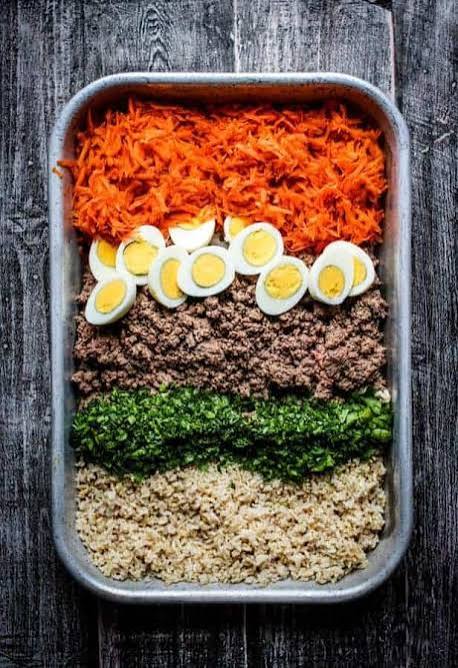
I’ll admit the idea of cooking for my dog felt a little excessive the first time a friend suggested it. Then I actually looked into what’s in some commercial dog foods, and, well, here we are. Homemade dog food isn’t for everyone, but if you want more control over what’s going into your dog’s bowl, it’s genuinely doable — you just need to do it right, not just wing it with whatever’s in your fridge.
First, an important honest note: “vet-approved” in a homemade context doesn’t mean the same thing as a diet that’s been through the rigorous lab analysis and feeding trials that commercial dog foods use to meet AAFCO or FEDIAF nutritional standards. What it means here is that these recipes follow sound basic nutrition principles and avoid unsafe ingredients. If you’re planning to feed homemade food long-term rather than occasionally, please talk to your vet, and ideally get a referral to a board-certified veterinary nutritionist who can build a precise formula for your specific dog.
Why Balance Is the Whole Game
This is the part people underestimate. It’s not enough to just cook some chicken and rice and call it a meal — dogs need a specific balance of protein, carbs, fat, fiber, vitamins, and minerals, and getting the calcium-to-phosphorus ratio and micronutrients right by “eyeballing it” almost never actually works. This is exactly why so many vet-formulated homemade recipes include a specific supplement designed for balancing homemade diets — skipping it is one of the most common ways well-intentioned homemade feeding goes nutritionally wrong over time.
The General Ratios to Aim For
- At least 10% protein — chicken, turkey, lean beef, or fish
- Up to 50% carbohydrates — rice, pasta, or potatoes, which also contribute fiber
- 2.5-4.5% fiber — from vegetables like peas, green beans, or carrots
- A dog-safe multivitamin or complete balancing supplement — genuinely not optional if this is a regular part of your dog’s diet, not an occasional treat
Ingredients to Never Include
Before any recipe, the ingredients you leave out matter as much as what you put in. Never include onions, garlic, grapes, raisins, chocolate, xylitol (found in a lot of sugar-free products), macadamia nuts, or excessive salt. These are toxic to dogs regardless of how small the quantity seems.
Recipe 1: Chicken and Rice (Gentle, Good for Sensitive Stomachs or Recovery)
A go-to for dogs with a sensitive stomach or recovering from an upset gut.
- 1 lb boneless, skinless chicken breast, cooked and shredded
- 2 cups cooked brown rice
- 1/2 cup diced carrots, cooked
- 1/2 cup peas, cooked
- 2 tablespoons pumpkin puree (plain, not pie filling)
- A dog-safe multivitamin/mineral supplement, mixed in per package instructions
Cook the chicken thoroughly, cool, and shred. Combine with cooked rice, carrots, peas, and pumpkin. Mix the supplement in evenly. Portion and refrigerate or freeze in daily servings.
Recipe 2: Poached Whole Chicken with Vegetables (A Rescue-Community Favorite)
This one comes from a recipe developed in collaboration with veterinarians and has become a popular staple in the homemade feeding community.
- 1 whole chicken
- 2 cups cooked rice
- A pinch of salt
- 2 tablespoons wheat germ
- 1 tablespoon apple cider vinegar
- 1 tablespoon brewer’s yeast
- 1 tablespoon bone meal
- 2 tablespoons shredded coconut
- 1/2 cup blueberries
- 1 cup diced carrots
Combine the whole chicken, cooked rice, salt, wheat germ, apple cider vinegar, brewer’s yeast, bone meal, and coconut in a large pot. Cover with water and simmer for 20-30 minutes, until the chicken is cooked through. Remove the chicken, debone it carefully, and discard the skin and excess fat. Drain most of the liquid, return the deboned meat to the pot, and stir well. While still warm, mix in the blueberries and diced carrots until the mixture thickens.
Read Also: Pet Emergency Kit Checklist: What Every Owner Should Have Ready
Recipe 3: Simple Weeknight Formula for Adult, Healthy Dogs
A straightforward everyday option for a medium-sized adult dog in good health.
- Cooked chicken breast, weighed per your dog’s portion needs
- Cooked brown rice
- Cooked carrots
- A small amount of olive oil (for healthy fat)
- A dog-safe multivitamin supplement
Cook each ingredient separately, cool completely, then combine and mix thoroughly, making sure the supplement is distributed evenly throughout rather than sitting in one spot. Divide into daily portions and refrigerate for the week, or freeze extra batches.
How to Transition Your Dog to Homemade Food
Don’t switch overnight. Gradually mix increasing amounts of the new homemade food into your dog’s current food over 7-10 days, watching for any digestive upset along the way. If you notice ongoing loose stool, vomiting, or your dog refusing to eat, slow the transition down or check in with your vet before continuing.
Portioning Matters as Much as Ingredients
How much to feed depends on your dog’s weight, age, activity level, and any health conditions — there’s no universal serving size that works for every dog. Your vet can help you calculate the right daily portion based on your specific dog rather than guessing from a generic online chart.
Bottom Line
Homemade dog food can be a genuinely great option if you’re willing to do it properly — that means real ratios, a proper balancing supplement, and ideally a vet or veterinary nutritionist involved if this becomes your dog’s primary diet rather than an occasional addition. It’s not just “cooking what sounds healthy” — it’s closer to following a prescription than a regular recipe. Done right, though, it gives you a level of control and freshness that a lot of owners find genuinely worth the extra effort.
This article provides general information and sample recipes, not a substitute for individualized veterinary nutrition guidance. Please consult your vet before making homemade food your dog’s primary diet, especially for puppies, senior dogs, or dogs with existing health conditions.