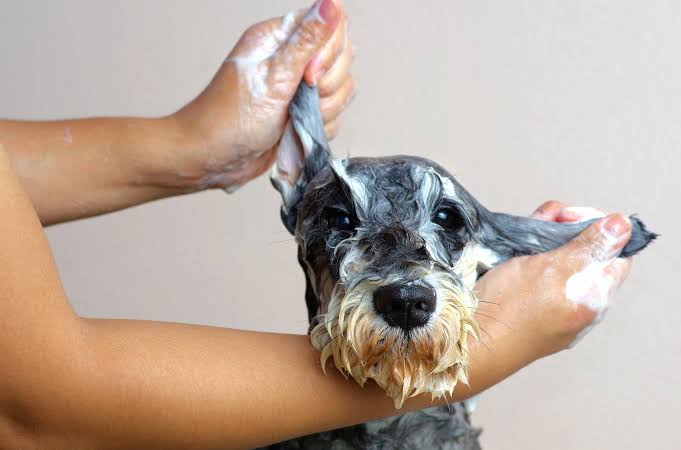
I used to bathe my dog basically every time she looked even slightly grubby, which, if you know dogs, means I was bathing her a lot. Turns out I was actually doing more harm than good. Bathing frequency is one of those things that feels like it should have a simple answer, but it genuinely depends on your specific dog — here’s how to actually figure out the right rhythm.
The Short Answer: It Depends, But Here’s a Starting Point
Most vets land somewhere around once every four weeks as a reasonable baseline for a healthy dog without any skin issues. The ASPCA’s general guidance is a bit broader — every one to three months — which tells you there’s real wiggle room here rather than one universal rule. The right frequency for your dog depends mainly on coat type, activity level, and skin health.
Why Over-Bathing Is a Real Problem
This is the part that surprised me most. Bathing too often strips your dog’s coat of natural oils, which are actually doing a job — protecting their skin and keeping their coat healthy. Over-bathe, and you can end up with dry, flaky, irritated skin, which ironically can make your dog’s coat and smell worse than if you’d just left more time between baths. It’s the same basic idea as how hairdressers advise against washing human hair every single day.
Bathing Frequency by Coat Type
Long or medium-haired dogs: Roughly every four to six weeks. These coats collect more dirt, debris, and loose fur, and are more prone to matting without regular washing.
Short-haired dogs: Every two to three months is generally plenty. Short coats don’t trap as much dirt, and bathing them too frequently is more likely to cause dry, itchy skin than to actually solve a real hygiene problem.
Active or outdoorsy dogs: If your dog is regularly hiking, swimming, or rolling around in mud (dogs seem to have an instinctual love of anything disgusting), you’ll likely need more frequent baths regardless of coat length — every couple of weeks isn’t unreasonable for a genuinely muddy, outdoorsy dog.
Dogs with skin conditions or allergies: This is where you really need your vet’s specific input rather than a general guideline. Some skin conditions actually call for more frequent bathing with a medicated shampoo, sometimes even once or twice a week for a set treatment period, while others call for less. Your vet will prescribe the right frequency and product based on the actual condition.
Let Your Nose (and Eyes) Be a Guide
Beyond the general schedule, common sense plays a real role here. If your dog smells noticeably “doggy,” looks visibly dirty or oily, or has just rolled in something you’d rather not think about, go ahead and bathe them regardless of where you are in your usual schedule. Baths are also a good excuse to do a quick once-over — check their ears, feel around for any new lumps or bumps, and look for fleas or ticks while you’ve got them in the tub anyway.
Read Also: Can Dogs Eat Watermelon? Benefits, Risks & Serving Tips
A Few Rules That Matter More Than the Schedule Itself
- Never use human shampoo. Human skin and dog skin have different pH levels, and human shampoo can dry out and irritate a dog’s skin even with a single use.
- Use a mild, dog-specific shampoo, and consider a light conditioner afterward to help replace some of the oils the shampoo removes.
- Brush regularly between baths. This does a lot of the maintenance work — removing loose fur and surface dirt — without the drying effect that comes from actual water and shampoo.
- Time baths around flea/tick treatment carefully. If your dog is on a topical flea or tick treatment, check the product instructions before bathing — many require waiting 48 hours after application for the medication to fully absorb into the skin.
- Watch for signs of irritation. If you notice dry, flaky, or red skin and you’ve been bathing frequently, that’s a sign to space out baths more, not less, and possibly switch shampoo products.
When to Loop In Your Vet
If your dog is showing ongoing itchiness, redness, discomfort, or scaling, don’t just adjust the bathing schedule and hope it resolves on its own — get your vet to rule out an underlying skin condition first. Bathing routines built around undiagnosed skin issues can end up masking a problem rather than solving it.
If bath time is a genuine struggle — your dog panics, fights getting in the tub, or it’s become a stressful ordeal for both of you — a professional groomer is a completely reasonable alternative. They have the tools, training, and patience to safely bathe dogs who aren’t exactly thrilled about the process.
Bottom Line
There’s no single correct answer here — roughly once a month is a reasonable default for most healthy dogs, adjusted up or down based on coat length, activity level, and skin health. When in doubt, let your dog’s actual condition (smell, visible dirt, coat feel) guide the timing rather than sticking rigidly to a calendar. And if anything about their skin or coat seems off, that’s a vet conversation, not a “just bathe them more” situation.


